


Latest News
Home Improvements and Asbestos: What Tradespeople Need to Know
Posted on Tuesday, 20th January 2026
This guide explains why asbestos remains a risk during home improvements and refurbishment work, where it is commonly found in older UK buildings, and what tradespeople must do to plan work safely. It outlines practical steps to avoid disturbing asbestos, highlights official Health and Safety Executive (HSE) resources, and explains how UKATA-approved asbestos awareness training supports legal compliance and safer working practices on site.
The new year is a popular time for home improvements, refurbishments, and repair work. For tradespeople, this often means busy schedules and tight deadlines. However, before any work begins, it is essential to consider one critical safety risk that is still present in many UK properties: asbestos.
Failing to identify asbestos before starting work can put tradespeople, homeowners, and building occupants at serious risk. Proper planning is not just good practice — it is a legal requirement under UK health and safety law.
Why Asbestos Is Still a Risk in UK Homes
Although asbestos was banned in the UK in 1999, it can still be found in many older properties, particularly those built or refurbished before 2000. When asbestos-containing materials are disturbed, microscopic fibres can be released into the air, where they may be inhaled.
Inhalation of asbestos fibres is linked to serious long-term health conditions, including mesothelioma, lung cancer, asbestosis, and pleural thickening. For this reason, tradespeople must assess whether asbestos could be present before work starts, and whether planned activities could disturb it.
Common Places Asbestos May Be Found
Asbestos is not always obvious and is often hidden within everyday building materials. It may be found in:
- Fireplaces and surrounding materials
- Roof eaves and gable ends
- Textured coatings (such as older Artex finishes)
- Electric and boiler cupboards
- Certain types of flooring and floor tiles
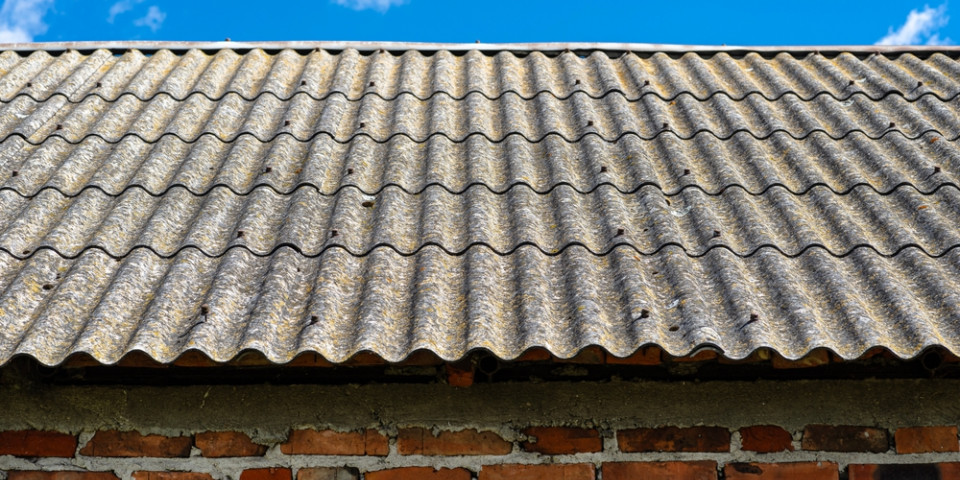
- Garage roofs made from asbestos cement sheets
Even routine tasks such as drilling, cutting, sanding, or removal work can release fibres if asbestos-containing materials are disturbed.
Planning Work Safely: What Trades Should Do
Before starting any work, tradespeople should:
- Check the age of the property and any previous refurbishment history
- Identify materials that may contain asbestos
- Avoid disturbing suspected asbestos-containing materials
- Ensure suitable controls and safe working methods are in place
If asbestos is suspected, work should stop immediately until the material has been properly assessed and appropriate action taken.
HSE Support for Trades: Asbestos and You
The Health and Safety Executive provides clear, practical guidance through its Asbestos and You campaign, designed to help tradespeople plan work safely and reduce the risk of exposure.
The campaign includes:
- A downloadable Quick Guide for Trades, designed for use on site
- Asbestos Essentials task sheets, offering step-by-step guidance for common work activities
- Real examples of what to look out for before starting work
Resources are available here: https://workright.campaign.gov.uk/asbestos-you/
Test Your Knowledge: Asbestos and You Quiz
The Asbestos and You quiz allows tradespeople to check their understanding of asbestos risks and safe working practices. The quiz consists of eight short questions covering where asbestos may be found and how to avoid accidental exposure.
Results can be shared on social media to encourage wider awareness across the industry.
Take the quiz here: https://hse-hse.involve.me/asbestosandyouquiz
Turning Awareness into Action: UKATA Asbestos Awareness Training
HSE guidance and awareness campaigns are an essential starting point. However, for many tradespeople, formal asbestos awareness training is the next step in demonstrating competence and working safely.
At Essential Site Skills, we deliver a UKATA-approved Asbestos Awareness course designed for trades and supervisors who may encounter asbestos during their work but are not required to remove or disturb it.
Approval from the UK Asbestos Training Association confirms that the course meets nationally recognised standards and aligns with expectations under the Control of Asbestos Regulations.
Who the Course Is For
The course is suitable for anyone working on buildings built or refurbished before 2000, including:
- Construction and demolition workers
- Electricians, plumbers, gas engineers, and heating engineers
- Painters, decorators, plasterers, roofers, and joiners
- Maintenance staff, shopfitters, and installers
- Supervisors and those overseeing site activities
If work could foreseeably disturb the fabric of a building, asbestos awareness training is strongly recommended.
What Learners Gain
The course does not teach asbestos removal. Instead, it focuses on recognition, avoidance, and correct response, including:
- Understanding what asbestos is and why it is dangerous
- Knowing where asbestos is commonly found in buildings
- Recognising materials that may contain asbestos
- Understanding what to do if suspected asbestos is encountered
- Knowing how to work safely and avoid accidental exposure
- Awareness of asbestos regulations within the wider health and safety framework
This directly supports HSE guidance on planning work safely and avoiding disturbance.
Managing Asbestos Risk on Site
Asbestos remains a serious risk in many buildings across the UK, particularly those built or refurbished before 2000. Managing that risk starts with effective planning, awareness of where asbestos may be present, and avoiding any activity that could disturb it.
Using trusted guidance, such as HSE resources, and ensuring the appropriate level of asbestos awareness training helps tradespeople recognise hazards early, take correct action, and protect themselves, colleagues, and building occupants from unnecessary exposure.
Assessing risk before work begins is not only good practice it supports legal compliance and helps prevent long-term harm.