


Latest News
What Should You Tell Staff During a Heatwave?
Posted on Monday, 22nd June 2026
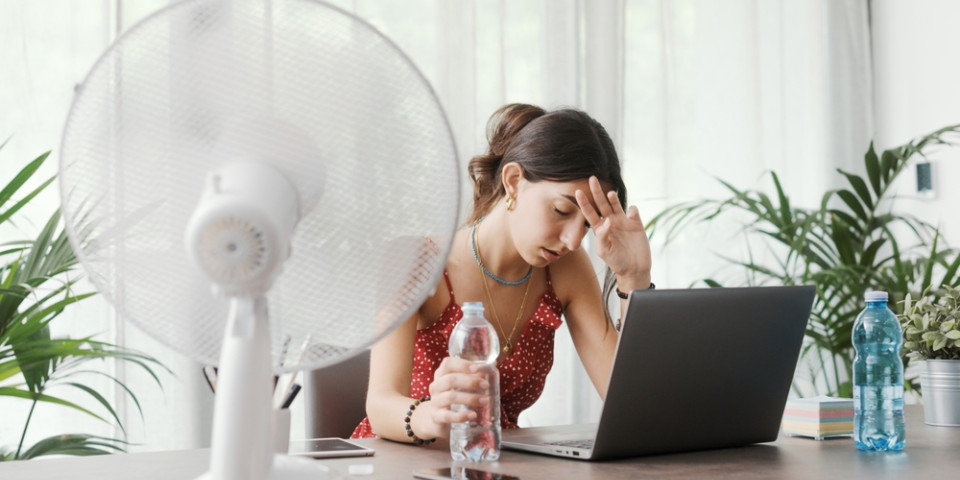
With amber, yellow and red heat-health alerts issued across parts of England this week, employers should be taking practical steps to remind staff how to stay safe in the heat.
Hot weather can be enjoyable, but it can also create real workplace risks. High temperatures can affect concentration, hydration, decision-making and physical wellbeing, particularly for people working outdoors, travelling, wearing PPE, carrying out physical work, or working in warm indoor environments.
For some workers, the risks can be even higher. People with underlying health conditions, chronic illnesses, pregnancy, menopause or perimenopause symptoms, certain medications, or roles involving physical work may be more vulnerable during periods of extreme heat.
Although there is no legal maximum workplace temperature in the UK, employers still have a duty to provide a reasonable working environment and manage health and safety risks.
During hot weather, this means taking sensible steps to keep staff safe, comfortable and informed, particularly where employees are working outdoors, travelling, wearing PPE, carrying out physical work, or working in warm indoor environments.
Keep Office Temperatures Comfortable
Where reasonably possible, office temperatures should be kept below 25°C during very hot weather. This may not always be achievable in every workplace, but employers should take practical steps to reduce heat indoors.
This could include using air conditioning or fans, closing blinds where direct sunlight is coming in, improving ventilation, moving people away from the hottest areas, switching off non-essential electrical equipment, and allowing short breaks away from warm rooms.
Managers should also listen to staff if the heat is affecting their ability to work comfortably or safely.
Drink Water Even If You Are Not Thirsty
One of the most important messages to give staff is to drink water regularly throughout the day. People should not wait until they feel thirsty, as thirst can already be a sign that the body needs fluids.
Staff should be encouraged to keep water with them, refill bottles regularly, and drink little and often. This is especially important for anyone working outdoors, travelling, wearing PPE, carrying out physical work, or working in warm indoor environments.
Employers should make sure drinking water is easily available to all staff.
Avoid Peak Heat Where Possible
The hottest part of the day is usually when the risk of heat-related illness increases. Where possible, employers should plan work to avoid unnecessary exposure during peak heat.
For outdoor workers, this may mean starting earlier, rotating tasks, increasing shaded breaks, moving heavy work to cooler parts of the day, or rescheduling non-urgent tasks.
For office-based staff, it may mean allowing flexibility around start and finish times, avoiding unnecessary travel during the hottest part of the day, or allowing remote working where the role allows.
Use Sunscreen and Protective Clothing Outdoors
Staff working outdoors should be reminded to protect themselves from the sun. Sunscreen should be used on exposed skin and reapplied as needed, especially if someone is sweating or working outside for long periods.
Where suitable and safe for the role, staff should wear a wide-brimmed hat, lightweight clothing, sunglasses and clothing that covers the skin. On construction sites or in other controlled environments, this must always be balanced with PPE requirements.
Staff should never remove required PPE if it creates another safety risk. Instead, employers should look at additional breaks, shaded areas, task rotation or other control measures.
Understand Who May Be More at Risk
Some people are more vulnerable during hot weather and may need extra support. This can include:
- People with underlying health conditions
- People with chronic illnesses
- Pregnant women
- Perimenopausal and menopausal women
- Older workers
- People taking certain medications
- People carrying out physically demanding work
- People who are new to working in hot conditions
Hormones can play a part in how people experience heat. For example, perimenopausal and menopausal women may already be dealing with symptoms such as hot flushes, night sweats, poor sleep, fatigue or changes in temperature regulation. During a heatwave, this can make the working day feel much harder.
Pregnant women can also be more affected by hot weather and should be encouraged to speak to their manager if they need adjustments.
The message to staff should be clear: if the heat is affecting you, please speak up. You do not need to wait until you feel seriously unwell.
Check Medication Storage
Many medicines need to be stored below 25°C, while some need to be kept in the fridge or stored under specific conditions.
Staff should be reminded not to leave medicines in hot cars, direct sunlight, windowsills, bags left in the sun, or very warm rooms. Heat can affect how some medicines work.
Anyone who is unsure about how their medication should be stored should check the label or speak to a pharmacist.
Employers do not need to ask staff for personal medical details, but they can remind everyone to check their own medication storage and take extra care during hot weather.
Know the Warning Signs of Heat Exhaustion
Heat exhaustion can be a warning sign before heatstroke. It should always be taken seriously.
Symptoms can include:
- Feeling slightly unwell
- Headache
- Dizziness
- Feeling faint
- Nausea or feeling sick
- Stomach cramps
- Muscle cramps
- Heavy sweating
- Tiredness or weakness
- Feeling very hot
- Thirst
- Fast breathing or a fast pulse
If someone shows signs of heat exhaustion, they should stop what they are doing, move to a cooler place, drink water, remove unnecessary clothing or PPE where safe to do so, and cool down with water, fans or cold packs.
They should not be left alone if they appear confused, very unwell, or are getting worse.
Know When Heatstroke Is an Emergency
Heatstroke is a medical emergency. It happens when the body can no longer cool itself down properly and the situation can become serious very quickly.
The NHS advises calling 999 if someone has signs of heatstroke, including still being unwell after cooling down and drinking fluids, a very high temperature, hot skin that is not sweating, a fast heartbeat, fast breathing or shortness of breath, confusion, a seizure, or loss of consciousness.
GOV.UK also confirms that heatstroke should be treated as a medical emergency.
If someone appears confused, very hot, seriously unwell, or their symptoms progress quickly, call 999 immediately.
While waiting for help, move the person to a cooler place, cool them down as much as possible, and stay with them.
Make Sure Managers Know What to Do
Managers and supervisors should be reminded to check in with staff during hot weather, especially those working outside, wearing PPE, carrying out physical work, or working in warmer indoor areas.
They should also understand that heat can affect concentration and reaction times. This is particularly important in roles involving driving, plant operation, manual handling, machinery, work at height or other safety-critical tasks.
Managers should encourage staff to take breaks, drink water, report symptoms early, and look out for one another.
Example Message to Send to Staff
During the current hot weather, please take extra care of yourself and each other.
Please drink water regularly throughout the day, even if you do not feel thirsty. If you are working outdoors, travelling, wearing PPE, carrying out physical work, or working in a warm office or training room, take sensible breaks and speak to your manager if the heat is affecting you.
Where reasonably possible, we will aim to keep office temperatures below 25°C and will continue to monitor working conditions.
If you are outdoors, please use sunscreen, wear suitable protective clothing and a wide-brimmed hat where appropriate, and keep out of direct sun during peak heat where possible.
Some people may be more at risk during hot weather, including those with underlying health conditions, chronic illnesses, pregnancy, menopause or perimenopause symptoms, or those taking certain medications. If this applies to you and the heat is affecting your wellbeing, please speak confidentially with your manager.
Please also check any medication storage instructions, as many medicines need to be stored below 25°C and some need specific storage conditions.
Watch for signs of heat exhaustion, including feeling unwell, dizziness, nausea, stomach cramps, headaches, heavy sweating, tiredness or feeling very hot. Heat exhaustion can be a warning sign before heatstroke.
Heatstroke is a medical emergency. If someone becomes confused, very hot, seriously unwell, has fast breathing, collapses, has a seizure, or symptoms progress quickly, call 999 immediately.
Please enjoy the sunshine where you can, but stay safe, stay hydrated and look after one another.
Keeping Staff Safe During Hot Weather
Heatwaves can be enjoyable, but they can also create serious health and safety risks if people do not take precautions.
The key messages for staff are simple: drink water, keep cool, avoid peak heat where possible, protect yourself from the sun, check medication storage, and report symptoms early.
A few sensible steps can make a big difference. Have fun in the sun, but be safe.