


Latest News
Who Can Carry Out Face Fit Testing and What Training Is Required?
Posted on Thursday, 15th January 2026
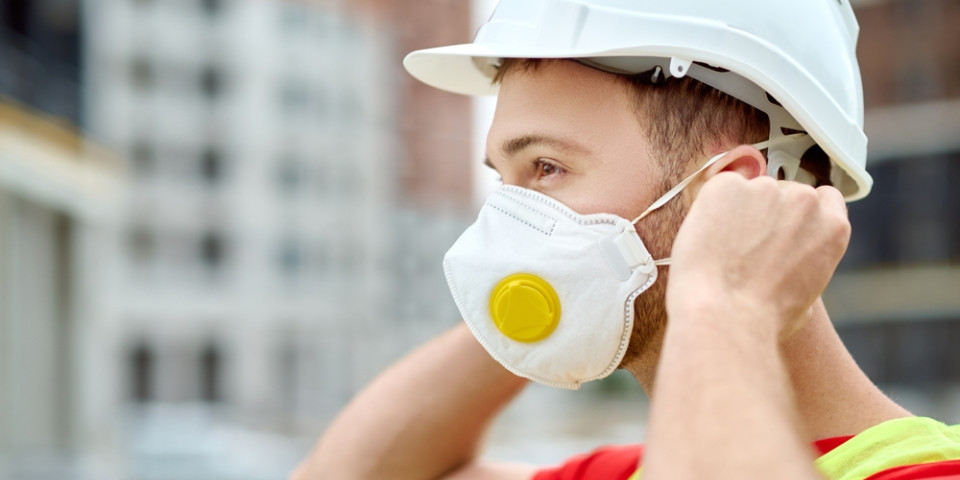
Face fit testing is a critical part of protecting workers who rely on respiratory protective equipment (RPE). However, one of the most common questions asked by employers, health and safety professionals, and site managers is: who is legally allowed to carry out face fit testing, and what training is required to be considered competent?
This guide explains who can conduct face fit testing, the legal and guidance requirements that apply, and how Face Fit Train the Tester training supports compliance.
Who Is Allowed to Carry Out Face Fit Testing?
Face fit testing must be carried out by a trained and competent person.
Guidance from the Health and Safety Executive (HSE) makes it clear that employers are responsible for ensuring that anyone conducting face fit testing has received appropriate instruction and training for the specific method being used.
HSE guidance states that fit testers should be able to:
- Understand the principles of face fit testing
- Carry out the fit test correctly using the chosen method
- Interpret results accurately
- Maintain appropriate records
Face fit testing should not be carried out by untrained staff or on an informal basis.
Is Face Fit Testing a Legal Requirement?
Yes. Face fit testing is a legal requirement where tight-fitting RPE is used.
HSE guidance, including INDG 479 and HSG53, requires employers to ensure that:
- RPE is suitable for the wearer
- Tight-fitting RPE is face fit tested
- Fit testing is carried out by a trained and competent person
- Documentary evidence of fit testing is maintained
Failure to comply can result in ineffective protection, increased health risk, and enforcement action.
What Is Face Fit Testing?
Face fit testing is the process used to confirm that a respirator or mask forms an effective seal against the wearer’s face.
It ensures that the selected RPE:
- Fits the individual wearer
- Provides the intended level of protection
- Is suitable for the specific mask type and size
There are two recognised methods:
- Qualitative fit testing (taste or smell based)
- Quantitative fit testing (instrument-measured)
The Face Fit Train the Tester course focuses on qualitative face fit testing, which is commonly used for disposable and half-mask respirators.
What Training Is Required to Carry Out Face Fit Testing?
To be considered competent, a fit tester must receive appropriate training covering both the principles of face fit testing and the practical application of the specific method being used.
The Face Fit Train the Tester course provides the training required to carry out qualitative face fit testing correctly and in line with guidance from the Health and Safety Executive (HSE).
Despite sometimes being described as “train the trainer”, this course:
- Does not qualify delegates to teach face fit testing
- Does qualify delegates to conduct qualitative face fit tests
Training should be delivered by a competent instructor with appropriate knowledge and experience of face fit testing and relevant guidance.
Who Needs Face Fit Train the Tester Training?
This course is suitable for anyone responsible for carrying out face fit testing within an organisation, including:
- Health and Safety Managers
- Site Managers and Supervisors
- Facilities Managers
- Occupational Health staff
- Employers providing RPE to employees
It is particularly useful where organisations want to:
- Conduct face fit testing in-house
- Reduce reliance on external testers
- Ensure ongoing compliance with HSE guidance
Why Is Face Fit Testing So Important?
Research indicates that up to 50% of RPE does not provide the level of protection assumed, often because it does not fit correctly.
Face fit testing helps ensure that:
- RPE performs as intended
- Wearers are properly protected
- Employers meet their legal responsibilities
- Health risks from exposure are reduced
Without a valid fit test, even high-quality RPE may fail to protect the wearer.
Do You Need to Be Clean Shaven for a Face Fit Test?
Yes — for tight-fitting RPE, the wearer must be clean shaven in the seal area.
HSE guidance states that:
- Facial hair (including stubble, beards, moustaches and sideburns) in the seal area invalidates a fit test
- A valid fit test cannot be carried out if facial hair interferes with the seal
Delegates who are not clean shaven can still attend the course, but may not be able to act as the test subject during practical demonstrations.
For loose-fitting RPE (such as powered hoods or helmets), facial hair does not affect fit.
How Often Should Face Fit Testing Be Carried Out?
HSE guidance recommends that face fit testing is carried out:
- When a new type of tight-fitting RPE is issued
- When a different make, model or size is used
- If the wearer’s facial characteristics change (e.g. weight change or dental work)
- At regular intervals, typically every two years
Re-testing helps ensure continued protection and ongoing compliance.
What Does the Face Fit Train the Tester Course Cover?
The course is designed for those who want to undertake their own face fit testing programme and includes:
- Background to face fit testing
- Relevant legislation and HSE guidance (including INDG 479)
- Equipment set-up
- Sensitivity testing
- Fit test protocols and pass levels
- Practical face fit testing
- Troubleshooting and problem solving
- Fit test failures and re-tests
- Planning and managing a fit testing programme
The emphasis is on practical competence and correct application, not theory alone.
Are There Any Entry Requirements?
Delegates must:
- Have a good level of written and spoken English
- Be clean shaven to fully participate in practical fit testing
Additional requirements include:
- No eating, drinking (except water), smoking or chewing gum for at least 30 minutes before testing
- Bringing site-specific masks where applicable
Is a Face Fit Testing Kit Required?
A face fit testing kit is required to carry out qualitative fit testing.
Essential Site Skills can supply a complete face fit testing kit at an additional cost of £200 + VAT, which should be arranged in advance with your account manager.
Key Takeaways: Face Fit Testing Competence
Only trained and competent individuals should carry out face fit testing. The Face Fit Train the Tester course enables organisations to:
- Meet legal duties under HSE guidance
- Carry out compliant qualitative face fit testing
- Ensure RPE provides effective protection
- Maintain appropriate documentation
It is a competence-based course designed for those responsible for RPE fit testing — not for delivering training to others.
Where Is Face Fit Train the Tester Training Delivered?
Face Fit Train the Tester training is delivered at Essential Site Skills training centres and via on-site or arranged delivery, subject to availability.
Current delivery locations include:
Training can also be delivered on employer premises, making it suitable for organisations that want face fit testing training delivered directly on their own sites.
This allows organisations to access compliant face fit testing training across the East Midlands and London, with flexible delivery options to support different operational needs.
Unsure If This Course Is Right for Your Role?
If you’re unsure whether the Face Fit Train the Tester course is appropriate for your responsibilities, our team can provide guidance to help you decide before booking.