


Latest News
What Is Temporary Works in Construction? A Practical Guide to Safe Management and Design
Posted on Friday, 13th February 2026
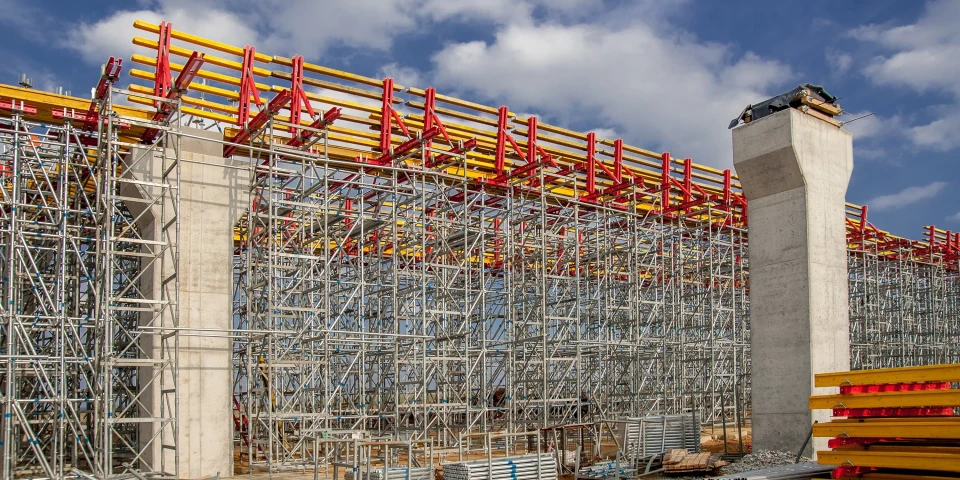
Temporary works are a critical part of almost every construction project, yet they are often misunderstood, under-managed, or treated as secondary to permanent works.
In reality, poor temporary works planning remains one of the most common contributing factors in structural failures and serious site incidents.
This guide explains:
- What temporary works are
- Why they matter
- Best practices for managing temporary works safely
- How effective temporary works are designed for large construction projects
- The key safety considerations every construction team should understand
What Is Temporary Works in Construction?
Temporary works are engineered systems used during the construction process to support, stabilise, protect, or enable the construction of permanent works.
They are not intended to remain as part of the completed structure.
In simple terms:
Permanent works are what stay.
Temporary works are what make them possible.
Common Examples of Temporary Works
- Scaffolding systems
- Formwork and falsework
- Propping and needling
- Excavation supports and trench boxes
- Crane bases and support systems
- Temporary access platforms
- Hoarding and site fencing
If you are new to this area, understanding the formal role of a Temporary Works Coordinator is essential before taking responsibility on site.
Why Temporary Works Matter So Much
Temporary works frequently carry higher short-term risk than the permanent structure.
Failures often occur because of:
- Inadequate design checks
- Poor coordination between contractor and designer
- Changes made on site without formal review
- Insufficient inspection regimes
- Lack of clarity over roles and responsibilities
UK construction projects typically follow structured procedural guidance such as BS 5975, which sets out recognised best practice for control.
For site managers, this sits alongside wider responsibilities covered within the SMSTS course, where legal duties and risk management expectations are addressed in more detail.
Can You Recommend Best Practices for Managing Temporary Works Safely?
Effective temporary works management is about clear control, defined responsibility, and competent supervision.
1. Appoint a Competent Temporary Works Coordinator (TWC)
Every project involving temporary works should have a formally appointed Temporary Works Coordinator.
The TWC should:
- Be appropriately trained
- Understand procedural control requirements
- Have sufficient authority within the project team
- Be involved early in planning
If you are stepping into this role, a structured Temporary Works Coordinator course explains responsibilities, procedural control, and practical implementation on site.
2. Define Clear Design Responsibility
Each temporary works element must have:
- A named designer
- A defined design brief
- A design checking category
- Formal approval prior to implementation
Unclear design responsibility is one of the most common root causes of temporary works failure.
Supervisors involved in installation and monitoring should also understand their limits of authority, which is where a Temporary Works Supervisor course becomes valuable.
3. Maintain a Temporary Works Register
A live temporary works register should include:
- Description of each item
- Design status
- Checking status
- Permit-to-load dates
- Inspection requirements
- Authorised removal dates
Procedural control is not excessive paperwork — it is structured risk management.
4. Use Permit-to-Load and Permit-to-Strike Procedures
Temporary works should never be loaded or dismantled without formal authorisation.
Permit systems help ensure:
- Designs are complete
- Inspections have been carried out
- The structure is safe to load
- Dismantling will not compromise stability
This level of control is expected of competent site management and is reinforced within management-level qualifications such as the SMSTS course.
5. Carry Out Regular Inspections
Temporary works must be inspected:
- After installation
- Before loading
- At regular intervals
- After adverse weather
- Following any impact or alteration
Inspection responsibilities should be clearly allocated within the project team.
6. Control Changes Rigorously
One of the biggest risk factors in temporary works is uncontrolled change.
Site teams must never:
- Remove bracing
- Adjust ties
- Modify sequencing
- Add unexpected loads
Without formal review and approval from the Temporary Works Coordinator or designer.
How Do You Design Effective Temporary Works for Large Construction Projects?
Designing temporary works for large construction projects requires structured engineering planning and coordination.
Step 1: Understand the Construction Sequence
Temporary works design must align with:
- Build sequencing
- Load paths at each stage
- Structural interaction with permanent works
- Access and logistics requirements
Poor sequencing decisions often create temporary instability.
Step 2: Assess All Relevant Loads
Design calculations must account for:
- Dead loads
- Live loads
- Wind loading
- Dynamic loads
- Plant and equipment loads
- Stored materials
Underestimating load conditions is a common cause of collapse.
Step 3: Coordinate With Permanent Works Designers
Temporary works frequently:
- Support partially completed structures
- Transfer loads into permanent elements
- Influence curing concrete
- Affect overall structural stability
Communication between designers is critical on large projects.
Step 4: Plan Safe Installation and Removal
Temporary works design must include:
- Erection sequence
- Stability during partial completion
- Safe dismantling method
- Risk assessment of transitional phases
Failure often occurs during removal rather than installation.
Step 5: Categorise Design Risk Appropriately
Complex or high-risk temporary works require independent design checks.
Projects involving deep excavations, significant falsework or high-rise construction demand particularly rigorous oversight from the appointed Temporary Works Coordinator.
What Are the Key Safety Considerations for Temporary Works in Construction?
Temporary works safety combines engineering competence, procedural discipline and leadership oversight.
Key considerations include:
- Structural stability
- Ground conditions
- Competent design
- Formal checking procedures
- Inspections and monitoring
- Strict control of change
- Clear communication
For site leaders, temporary works form part of broader legal responsibilities under construction health and safety law — responsibilities explored in more detail within the SMSTS course and related management qualifications.
Why Temporary Works Control Is a Leadership Responsibility
Temporary works are engineered systems that carry significant legal, safety and commercial risk.
Incidents rarely happen because of one dramatic mistake. They occur because of gaps:
- Gaps in coordination
- Gaps in checking
- Gaps in supervision
- Gaps in understanding
For project leaders, ensuring competent coordination and supervisory awareness is essential.
If you are taking on responsibility for temporary works management, formal training such as a Temporary Works Coordinator course or Temporary Works Supervisor course helps ensure compliance and confidence on site.
Frequently Asked Questions About Temporary Works
What is temporary works in construction?
Temporary works are engineered structures used during construction to support or enable the building of permanent works. They are removed once the permanent structure is stable and complete.
What are the key safety considerations for temporary works?
Key safety considerations include structural stability, ground conditions, competent design, design checking, inspections and strict control of changes.
How do you manage temporary works safely?
Temporary works are managed safely by appointing a competent Temporary Works Coordinator, maintaining a register, using permit-to-load systems, ensuring design checks, carrying out inspections and controlling site changes.
How are temporary works designed for large projects?
They are designed around construction sequencing, load calculations, interaction with permanent works and formal design risk categorisation, often requiring independent design checks.