

Need Face Fit Testing, a Face Fit Certificate or your own test kit?

If your workers wear a tight-fitting FFP3 face mask, half face mask or other respiratory protective equipment, the mask must fit the person wearing it. A mask that does not seal properly can let dust, fumes and airborne particles through. That means even the right respirator may not give the protection you expect.

At Essential Site Skills, we make Face Fit Testing simple. You can:

  • Book Face Fit Testing for an individual wearer
  • Book a Face Fit Train the Tester course to test your own team
  • Buy a Face Fit Testing Kit for in-house qualitative testing
  • Shop FFP3 face masks, half face masks, filters, replacement Bitrex solutions and RPE supplies
What do you need today?

What do you need today?

I need Face Fit Testing

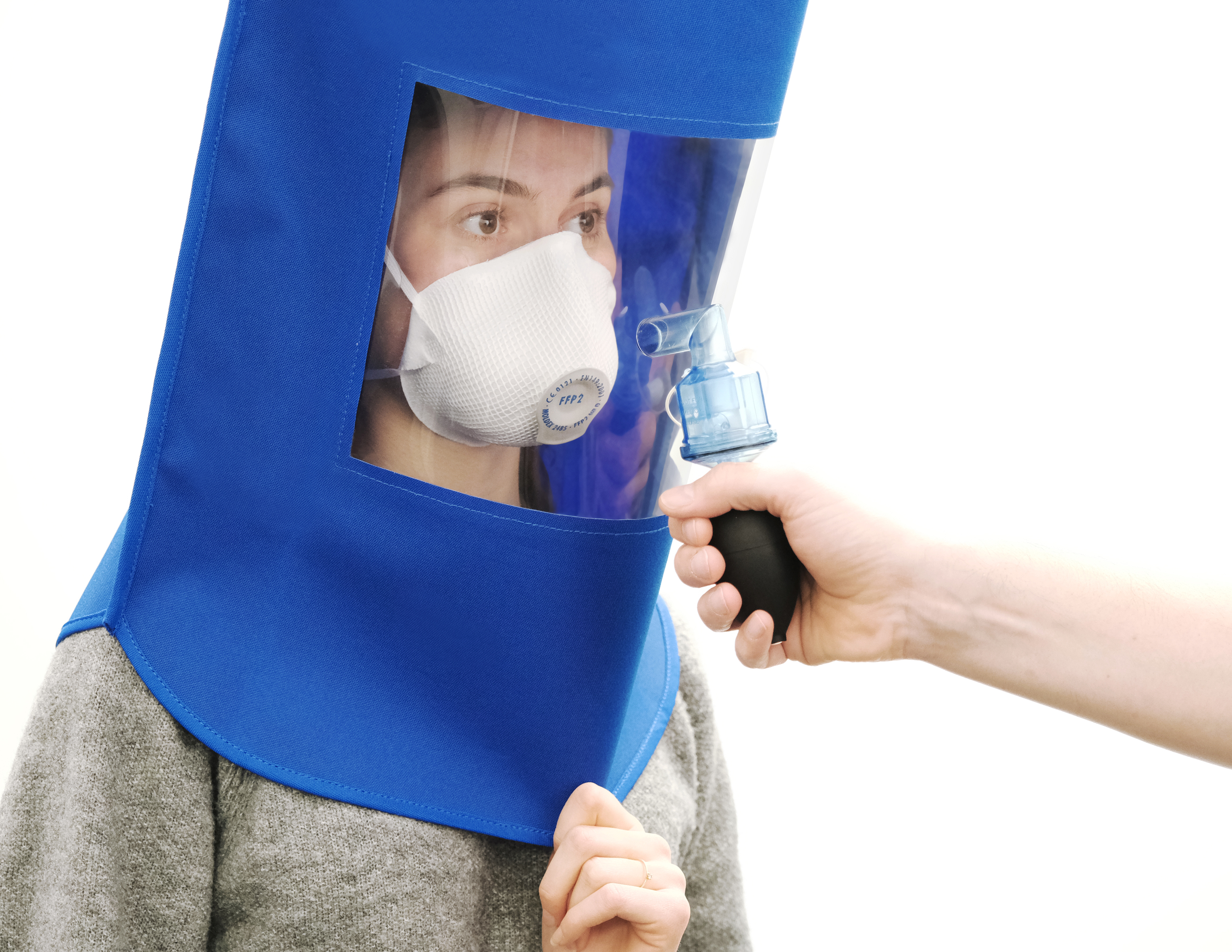
Face Fit Testing checks whether a tight-fitting respirator seals properly to the individual’s face. This includes FFP3 face mask testing, half face mask testing, disposable respirator testing and full-face mask testing.

After a successful test, the wearer receives a Fit Test Record showing the mask type, make and model tested.

Best for individuals, employees, contractors and employers who need evidence that a specific mask has been successfully fit tested.


Book Face Fit Testing →

I want to train someone to test our team

Book Face Fit Train the Tester if you want someone in your organisation to carry out qualitative Face Fit Testing in-house.

This course is ideal if your business regularly uses FFP3 face masks, half face masks, disposable respirators or other tight-fitting RPE.

Delegates learn how to complete qualitative Face Fit Testing, understand when testing is needed and record results correctly.

Delegates receive a Face Fit Train the Tester certificate and practical templates to support in-house testing.

Best for employers, site teams, safety managers, training coordinators and companies with ongoing RPE use.

View Face Fit Courses →

I need a Face Fit Testing Kit

Buy a Face Fit Testing Kit if you want to carry out qualitative Face Fit Testing in-house.

You can buy a kit when booking your Face Fit Train the Tester course place, so you have the equipment ready to use after training. You can also buy a kit separately if you have already completed the training or already have a competent person in your organisation who can carry out qualitative Face Fit Testing.

A Face Fit Testing Kit provides the equipment needed to check whether a tight-fitting respirator seals properly to the wearer’s face. It is commonly used for FFP3 face masks, disposable respirators and reusable half face masks.

This gives employers a practical way to manage repeat testing in-house.

Shop Face Fit Testing Kit →
Face Fit Testing

Face Fit Testing: what is it?

Face Fit Testing checks whether a tight-fitting respirator fits the individual wearer’s face and creates an effective seal.

This matters because faces are different. A mask that fits one person may not fit another.

Face Fit Testing is needed for tight-fitting RPE such as FFP3 face masks, half face masks, full-face masks and disposable respirators.

The test should be completed before the wearer uses the mask for the first time. A new test may also be needed if the wearer changes mask type, make, model or size, or if their face shape changes.

Face Fit Courses

What is in my Face Fit Testing Kit?

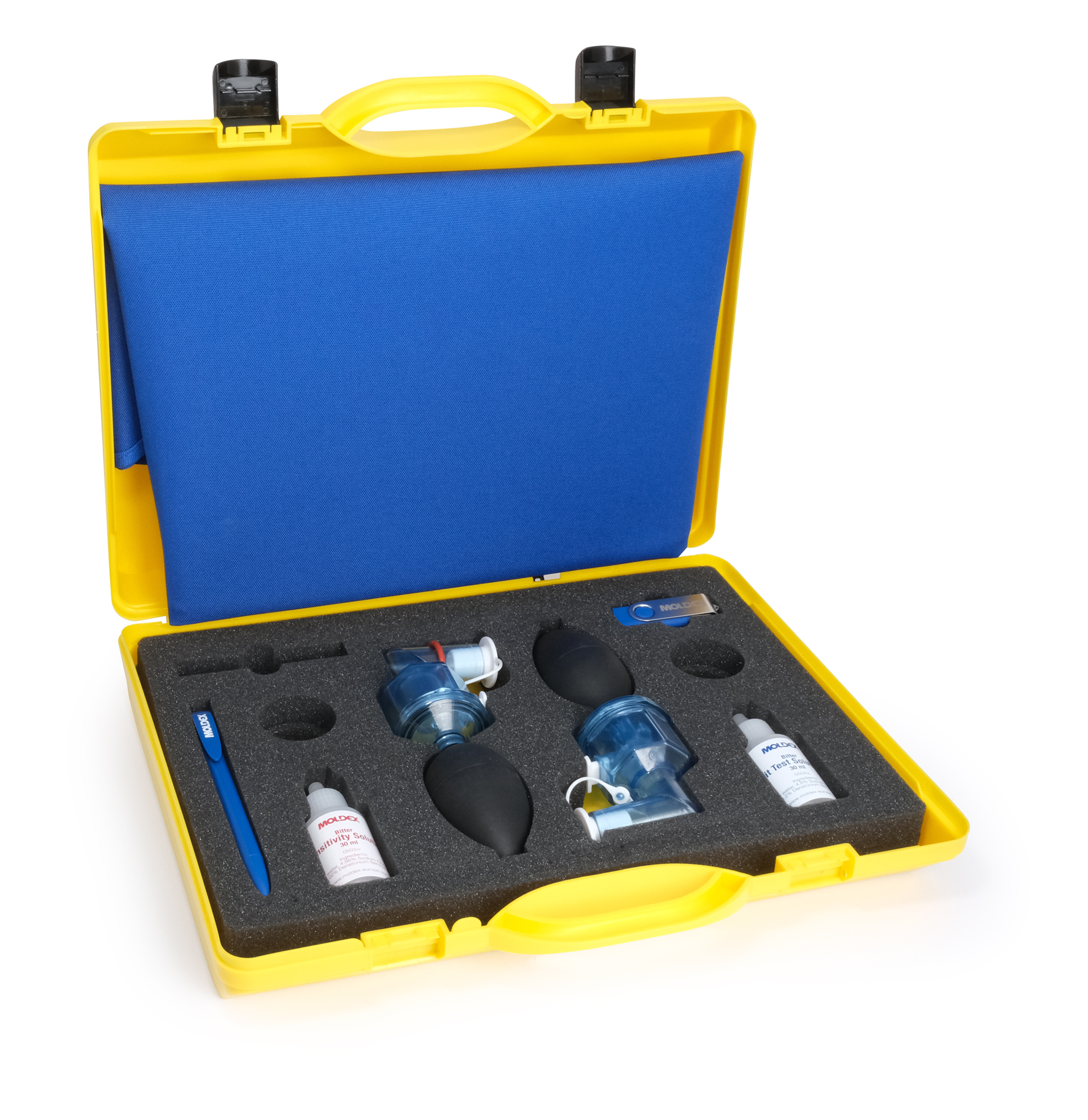
Our Moldex BITREX® Qualitative Face Fit Testing Kit includes the key equipment needed for qualitative Face Fit Testing.

face fit kit

Kit contents include:

  • 1 x test hood

  • 2 x nebulisers

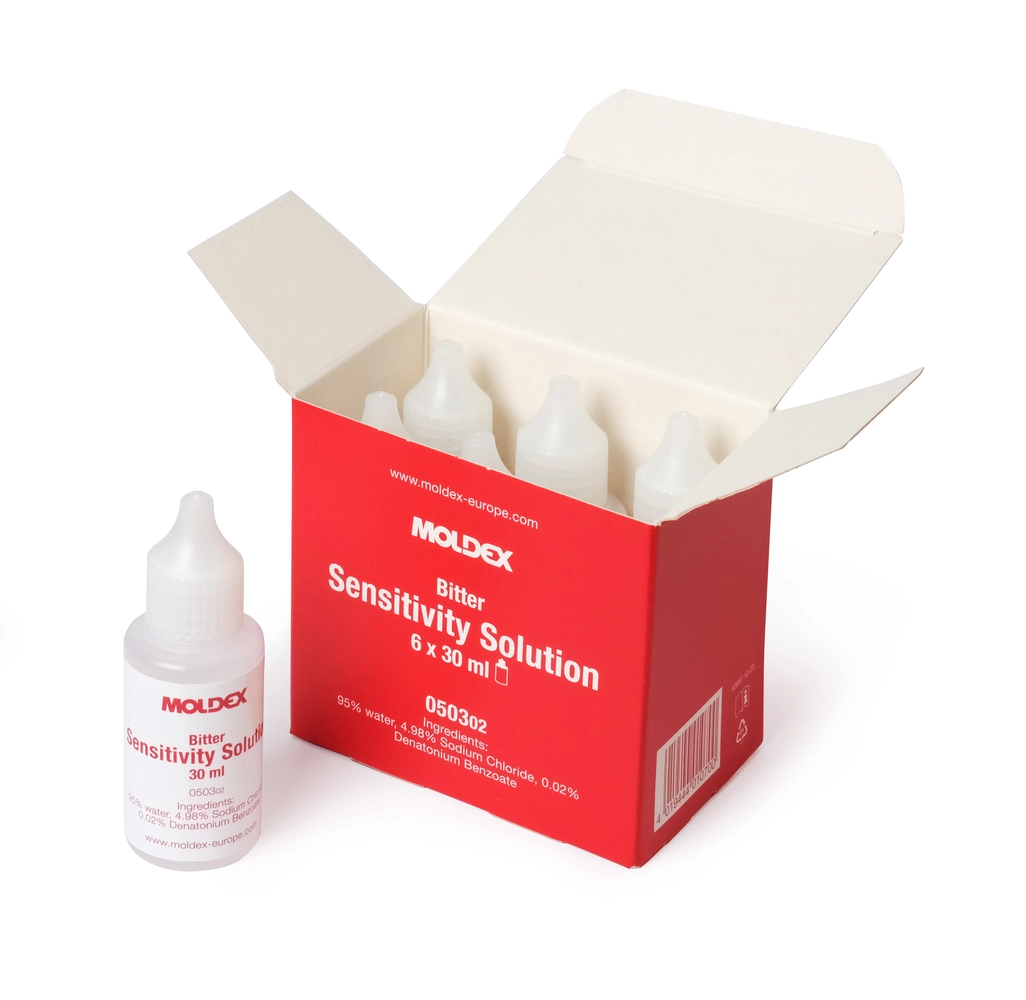
  • Bitrex sensitivity solution

  • Bitrex test solution

  • Spare parts for nebulisers

  • Fit test instructions

  • The kit is supplied in a sturdy carry case and is designed for multiple tests. It is suitable for trained or competent testers carrying out in-house Face Fit Testing on suitable tight-fitting RPE, including FFP3 face masks and half face masks.
Face Mask

FFP3 Face Mask, Half Face Mask or Face Covering — what is the difference?

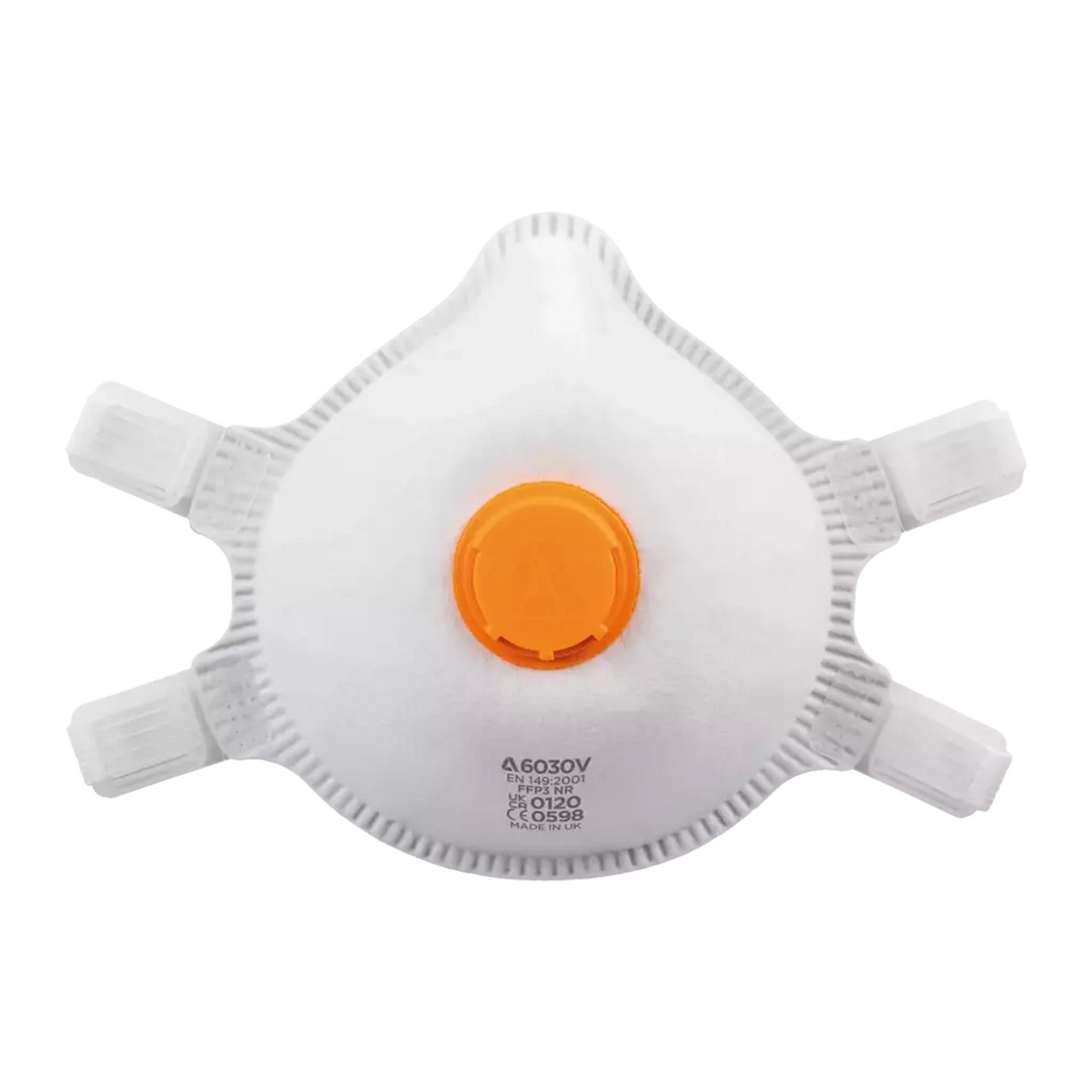
An FFP3 face mask is a tight-fitting respirator used to help protect the wearer from fine airborne particles, dusts and other hazardous substances.

A half face mask is usually a reusable respirator that covers the nose and mouth. It is often used with replaceable filters, depending on the hazard and level of protection required.

A face covering is different. General face coverings are not the same as workplace RPE and should not be relied on where respiratory protection is required.

If your risk assessment says workers need RPE, the correct mask must be selected, worn properly and face fit tested if it is tight-fitting.

Clean shaven requirements for Face Fit Testing

For tight-fitting RPE, the wearer must be clean shaven where the mask seals to the face.

This applies to disposable masks, FFP3 face masks, half face masks and full-face masks. Facial hair such as stubble, beards or sideburns where the mask contacts the face can prevent a valid Face Fit Test from being completed.

Delegates attending Face Fit Train the Tester can still complete the course if they are not clean shaven. However, because the course includes practical face fit testing, they may not be able to act as the test subject during demonstrations.

For loose-fitting RPE, such as powered hoods or helmets, facial hair does not affect the fit in the same way.

We recommend attending clean shaven if you would like to fully take part in all practical elements of the training.

Common Face Fit Testing questions

Ready to get started?