


Latest News
Respirator and Face Fit Testing Training and Certification: Complete Guide
Posted on Monday, 23rd February 2026
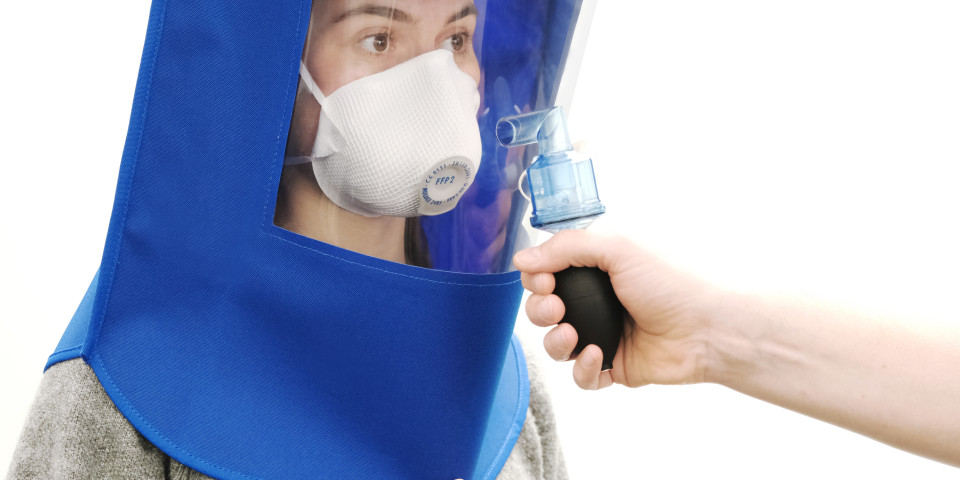
Respiratory protective equipment (RPE) is used to protect workers from hazardous dust, fumes, vapours and airborne contaminants. However, even the highest-quality respirator will not provide protection unless it fits correctly.
That is why respirator and face fit testing training and certification is essential across construction, manufacturing, utilities, healthcare, laboratories, engineering, waste management and facilities management.
In this complete guide to respirator and face fit testing training and certification, we explain:
- What face fit testing training involves
- What fit testing training certification includes
- How to choose the right face fit training course
- Whether face fit testing training can be completed online
- Who can legally carry out face fit testing
- Where to access recognised face fit testing and certification
What Is Face Fit Testing and Why Is It Required?
Face fit testing ensures that a tight-fitting respirator forms an effective seal against the wearer’s face.
Under the Control of Substances Hazardous to Health Regulations 2002 (COSHH), employers must ensure that respiratory protective equipment is:
- Suitable for the specific hazard
- Adequate for exposure levels
- Correctly fitted to each individual wearer
Without compliant fit testing:
- Airborne contaminants can bypass the mask seal
- Workers may have a false sense of protection
- Employers risk enforcement action
If you are unsure about competency requirements, read our detailed resource:
Who can carry out face fit testing and what training is required?
What Does Respirator and Face Fit Testing Training Cover?
Recognised respirator and face fit testing training and certification typically includes:
Legal Responsibilities
- COSHH obligations
- HSE guidance on RPE
- Employer and tester duties
Types of Respirators
- FFP2 and FFP3 disposable masks
- Half mask respirators
- Full face respirators
Fit Testing Methods
- Qualitative fit testing (taste method)
- Quantitative fit testing (instrument-based method)
- When each method should be used
Practical Assessment
- Conducting a compliant fit test
- Identifying seal failure
- Accurate documentation and record keeping
On successful completion, candidates receive face fit testing training certification, confirming competence in carrying out fit testing.
If you are looking to become qualified to conduct testing internally, view our Face Fit Train the Tester Course
Do You Need Your Staff Tested — Or Do You Need to Train an Internal Tester?
Organisations typically fall into one of two categories:
1. You simply need your workers face fit tested
If your priority is ensuring your workforce is compliant and properly protected, you can book our Face Fit Testing (Qualitative) service.
This option is ideal if:
- You need staff tested to meet COSHH requirements
- You do not want to train someone internally
- You prefer a qualified external provider to carry out testing
- You need certification records for audit or inspection
2. You want to carry out face fit testing in-house
If your organisation regularly requires fit testing, it may be more cost-effective to train an internal member of staff.
In this case, you will require recognised face fit testing training and certification, such as our Face Fit Train the Tester course.
This provides fit testing training certification that qualifies a competent person within your organisation to:
- Conduct qualitative or quantitative fit tests
- Assess respirator seal performance correctly
- Complete compliant documentation
- Understand legal responsibilities under COSHH
Both routes support legal compliance. The right option depends on whether you need testing delivered for your workforce or want to develop internal capability.
How Do I Choose the Right Face Fit Training Course?
When selecting a respirator and face fit testing training and certification course, consider:
✔ Alignment with HSE guidance
The training should follow recognised UK respiratory protection standards.
✔ Practical Assessment
Face fit testing is a hands-on skill. A credible course must include practical demonstration and assessment.
✔ Equipment Relevance
Ensure the course covers the type of respirators used within your organisation.
✔ Recognised Certification
You should receive formal fit testing training certification that demonstrates competence during audits or inspections.
Can I Get Online Training for Face Fit Testing and Certification?
This is one of the most commonly searched questions.
The short answer is:
Face fit testing training and certification should involve live, practical assessment.
While some providers may offer online theory-based delivery, respirator fit testing is a practical competency that requires:
- Physical equipment handling
- Live demonstration
- Direct observation of seal checks
- Monitoring of wearer response during qualitative taste testing
- Immediate correction of technique
Because fit testing involves observing reactions to test solutions and assessing respirator seal performance in real time, it is not possible to fully assess competence through theory-only or remote learning alone.
For this reason, we believe face fit testing training and certification must include in-person practical assessment to ensure compliance with COSHH and HSE guidance.
For organisations requiring team delivery, training can be delivered at your premises through our Dedicated On-Site Training Courses.
Why Fit Testing Training Certification Is Increasingly Important
Across multiple industries, regulatory focus on respiratory hazards is increasing. Organisations are expected to demonstrate:
- Evidence of completed face fit tests
- Tester competence
- Certification records
- Accurate documentation
Without recognised respirator and face fit testing training and certification, employers may struggle to evidence compliance during audits or inspections.
Investing in recognised fit testing training certification protects workers, reduces risk and demonstrates due diligence.
Frequently Asked Questions
What is respirator and face fit testing training certification?
Respirator and face fit testing training certification confirms that an individual has been trained and practically assessed as competent to carry out respirator fit testing in accordance with HSE guidance and the Control of Substances Hazardous to Health Regulations 2002 (COSHH).
This certification enables a competent person to conduct qualitative or quantitative face fit tests, assess respirator seal performance, and complete compliant documentation.
Is face fit testing a legal requirement in the UK?
Yes. Under the Control of Substances Hazardous to Health Regulations 2002 (COSHH), employers must ensure that tight-fitting respiratory protective equipment (RPE) is properly face fit tested for each individual wearer.
If a respirator relies on a tight seal to protect the user, face fit testing is a legal requirement.
What is the difference between face fit testing and face fit training?
Face fit testing is the process of assessing whether a specific respirator fits an individual wearer correctly.
Face fit testing training and certification qualifies a competent person to carry out that testing in line with HSE guidance and legal requirements.
In simple terms, face fit testing protects the worker, while face fit testing training qualifies the tester.
Can face fit testing training be completed entirely online?
No. Face fit testing training and certification requires in-person practical assessment.
Because respirator fit testing involves live demonstration, equipment handling and monitoring wearer response during qualitative testing, competence cannot be properly assessed through theory-only or remote learning.
To meet compliance expectations under COSHH and HSE guidance, face fit testing training must include directly observed, practical assessment.
Which industries require face fit testing?
Face fit testing is required in any industry where tight-fitting respiratory protective equipment is used to control exposure to hazardous substances.
This includes construction, manufacturing, healthcare, engineering, utilities, laboratories, environmental services and any workplace where workers are exposed to dust, fumes, vapours or airborne contaminants.